• Skip to primary navigation
  • Skip to main content
Kate Waters

Kate Waters

Nutritionist

  • Welcome
  • Meet Kate
    • About Kate
    • Nutritional Therapy
  • Services
    • Intimate Health Coaching
    • The Bladder Solution
    • The Candida Solution
    • Mentoring
  • Resources
  • Blog
  • Kind words
  • Contact Me

Blog

Food ideas for fussy eaters

17th March 2022 By Kate Waters

Do you have a child who won’t eat dinner, picks at their food or will only eat certain things?

Even the best of eaters may sometimes not eat vegetables, fruit or certain foods. 
You may wonder ‘why is my child such a fussy eater’?!
It certainly can be one of the most stressful topics for any parent!

Tips to encourage children to eat a wider range of foods

Some things to consider

  • Have they always been fussy or is it something that has started recently? 
  • Is it about control and independence? 
  • Is there an intolerance to any foods, that make them feel uncomfortable after they eat? 
  • Food neophobia – scared of trying new foods – sometimes children need to see a new food, touch it, smell it, see others eating it many many times before they will put it in their mouth

How we learn to eat is based on sensory perception, size, colour, smell, taste. This involves a lot of nerves and muscles! You may find that children like their food to be separated on the plate and that foods with mixed textures, flavours and colours are not a child’s favourite eg. stews or casseroles. 

Understanding what your child does or doesn’t like about food can help you to interpret how they can eat better.  

Tips to get your child to eat more food

  • Eat with your child, even if they don’t eat everything you eat. As they see you eat foods they are fearful of, they will become less fearful over time. 
  • Don’t bribe them. It will make it sound like those foods e.g. ice cream, will be better than the foods we want to them to eat. 
  • Children will stop eating when they have had enough. Try a phrase like ‘You don’t have to eat anymore but you do need to come and sit with us whilst we eat’.
  • Make veggies taste nice!  Do you like to eat food that is boring?  Try adding fried garlic or spring onions. Try putting veggies into a sauce like tomato, or a soy based dressing. Try not to hide them though and make sure they know that veggies are in there; this helps to develop trust with food and the food you give them.
  • Take your child shopping and let them pick a new food every week. Also let  them help you in the kitchen, so they will start to trust these foods better.
  • Deconstruct meals so that ingredients are separated and individual, so they can add/eat what they want. 
  • Serve a favourite flavour with a food they haven’t tried before. 
  • Try not to ask them if they like the food or talk about the food. Instead try chatting about other things. For example, talk about your day or what you would like to do the next day. If you do talk about the food try to get them to tell you if they don’t like the taste or the texture, this will help you with future food ideas.
  • Remember to smile through these meal times, it will help lower stress levels!

Commitment and consistency is key with how you address this issue

I hope you have success trying out some of these ideas with your child.
Anti-Inflammatory Diet

10th January 2022 By Kate Waters

What is an ‘anti-inflammatory diet’?  

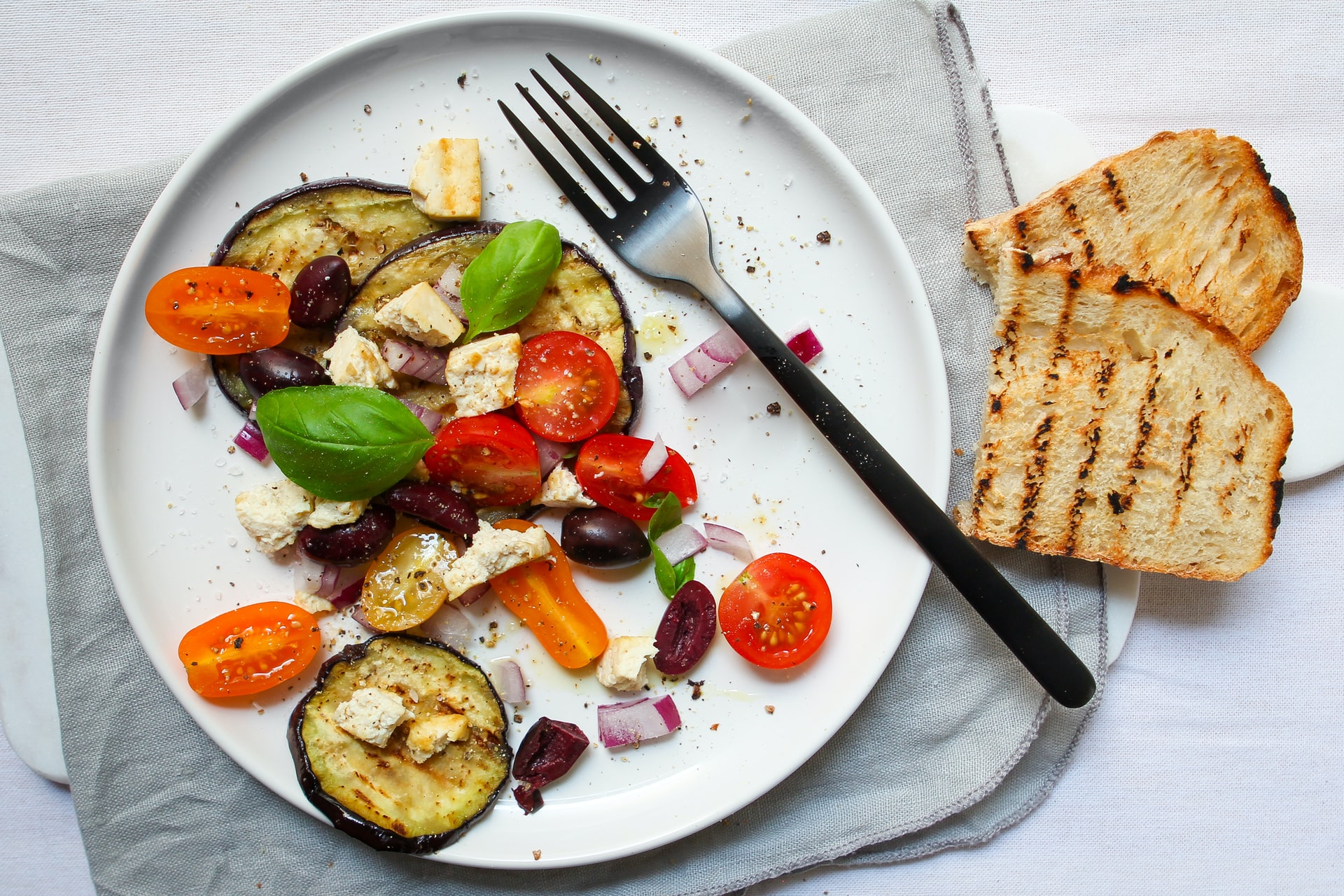
The idea is based around the traditional Mediterranean diet and its antioxidant compounds. The point of it is quite simply to reduce inflammation in the body. 

Unfortunately the typical diet in the Mediterranean now, is no longer what it used to be. Fewer and fewer people are cooking at home with the increase of cheap fast food now available across Europe (and the rest of the world). 

We need to think back to the diet from a good 80 years ago or more, as this is where the research has been generated from to suggest this diet might be beneficial for our health. 

anti-inflammatory, diet, mediterranean

What is the Mediterranean diet?

Here are the simple basics of the diet:

What to eat on the Mediterranean Diet

  • Mostly plant based meals, which are fresh and homemade, with some meat and/or fish sometimes 
  • Large amounts of vegetables with some fruits
  • Foods containing omega 3 fatty acids
  • Whole grains
  • Herbs and spices
  • Fermented foods

What to reduce eating on the Mediterranean Diet

  • Red meat
  • Sugar
  • Alcohol (in moderate amounts is fine in most people)

What not to eat on the Mediterranean Diet

  • Processed foods and fast food
  • Refined CHO and sweetened drinks

Let’s go into this in some more detail:

Protein and mostly plant based

Protein is made up of amino acids, they are the building blocks of life. Every living thing has some amino acids in it, even broccoli. There are 20 amino acids; 9 are essential and 11 are not essential meaning our body can make them itself. 

To be a complete protein the food must have all 9 of the essential amino acids we cannot make ourselves.  

Complete proteins consist of:

  • Meat, fish, eggs and dairy
  • Quinoa, amaranth, chia seeds, buckwheat, hemp and soy products

Lentils, pulses, legumes, brown rice, flax seeds, and other nuts and seeds are almost complete proteins. You can combine non-complete proteins together to make a complete protein intake.
They do not have to all be at the same meal, just over the course of a day’s eating. This is why we do not need to eat animal products at every single meal whilst still able to ensure our protein needs. 

Examples of Complementary Proteins

It is important to look at what amino acid is missing to work out paring, but some classic examples would be:

  • Rice and beans 
  • Hummus and pita bread
  • Beans with nuts or seeds 
  • Or add in a complete protein like quinoa or eggs.

Another reason for eating more pulses and lentils is their fibre content. This feeds our gut microbiome, this supports our immune system, improves gut motility, plus all the vitamins and minerals they provide.

Meat, fish and diary are all great sources of protein,
but we do not need to eat them every day.

Constant consumption of meat, especially red meat can be inflammatory. Sourcing organic or well raised animal products is essential not only to know that the animal has led a healthy and happy life but also this ensures that the product is better for us too! If possible buy from a butcher who locally sources, rather than a supermarket

Umami

Umani translates as ‘yumminess’ and is found in things like meat, parmesan, asparagus, mushrooms, soy sauce, sundried tomatoes, nutritional yeast flakes etc. It is why Japanese scientists created MSG so that umami could easily be added to food like salt, but this is easy to do with natural foods; I use powdered mushrooms, nutritional yeast flakes, mustard, soy sauce and powdered seaweed to add depth of flavour/umami to dishes. 

A note on soy products:

Soy is a massively over-produced crop that is now processed in a very different way than it was originally in South East Asia. Fermentation of this bean makes it much more digestible. The by-products of tofu e.g., soy milk, was not consumed in large amounts.  If consuming a soy product regularly, fermented is fine e.g., tempeh, miso or soy sauce but otherwise always go for organic and limit things like tofu to 2 x week. 

Eat more vegetables

We want to be eating a rainbow of colour every day; red, yellow, green, purple, and white. We want to eat an unlimited supply of greens, preferably at every meal but for the others we should be looking at 5 veg and 2 fruit per day minimum – I ask clients to try to reach 10 a day. 

Cruciferous vegetables are important as are alliums, we should be eating lots of these.  Ensure that you eat some raw cruciferous every day for the sulforaphane, a major antioxidant, due to sulforaphane being easily destroyed by heat. This is easy to do if you add a cruciferous rich salad of rocket, watercress, radish and spring onion! Or make a slaw with cabbage, radish, shallot, carrot and fennel, perfect with your BBQ bean burgers! 

Healthy fats

Healthy fats are essential for our brain,  hormones and our cell walls to function properly. If we consume too much of the bad fats, e.g., trans fats, or fats that have been oxidised like fried foods, this may create inflammation. Although we need omega 6 in our diets we get a huge amount of it from seeds, grains and even from our meat.

We need enough of the healthy fats helps to balance this out. Do this by increasing omega 3 fatty acids:

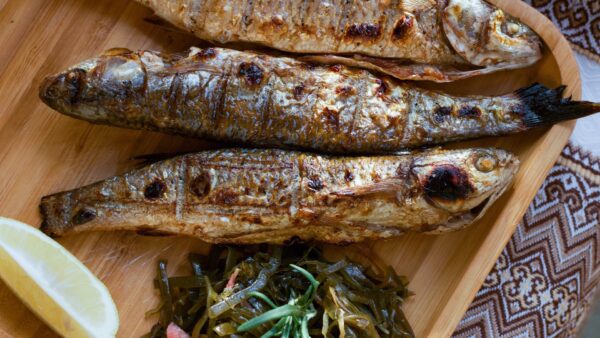
  • Oily fish (think SMASH sardines, mackerel, anchovies, salmon, herring)
  • Chia seeds, hemp seeds, flax seeds and walnuts

And ensuring there is lots of the other healthy fats like:

  • Olive oil rich in polyphenols – ensure it is always cold pressed!
  • Coconut 
  • Avocado 
  • Even Butter so long as it is good quality, organic or grass fed and in small amounts. Margarine is not healthy; it is grey when made and they dye it yellow so that it looks edible. Would you eat a grey fat? Think about that next time you are spreading it on your toast.

Herbs and spices 

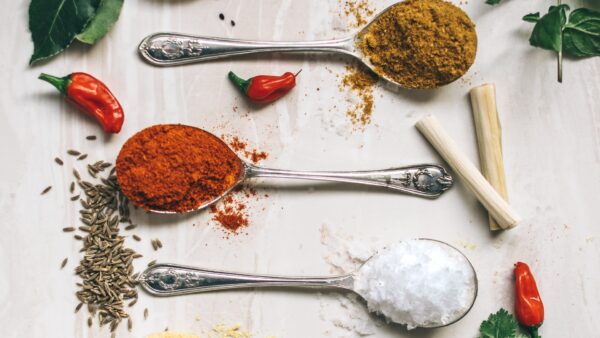
Herbs and spices are full of volatile oils and polyphenols that work on our anti-inflammatory pathway, we do not use enough of them in our western diets anymore! Fresh herbs are easy to grow even on a windowsill, window box or tiny garden/patio.  

  • Rosemary, basil, thyme, coriander etc. all contains volatile oils that benefit our health. 

Other dried herbs and spices are easy to incorporate into our cooking. 

  • Turmeric in particular works as an anti-inflammatory, an antioxidant and as an antibacterial!
  • Cinnamon helps uptake of blood glucose to cells and sweetens food
  • Cumin and other spices can calm the digestive tract, lower inflammation and more.

Cooking Technique

Lastly, I would like to point out that HOW you cook your food is almost more important than if your food is organic, grass fed etc. It is incredibly easy to spoil the beautiful nutrients that you are hoping to consume by cooking them in the wrong way.

“The beneficial effects of the Mediterranean diet may be due not only to the consumption of certain foods, but also cooking techniques such as sofrito, which can help the extraction of carotenoids and phenolic compounds from food matrix, and could contribute to its bioacessibility, bioavailability, and health effects.”

Learn how to cook food that works for your body and your DNA on our GENE-IUS cooking course.

A cooking course based in easy-to-digest science and cooking demos that translate the science to your plate plus a library of delicious recipes to explore.

The cooking course that brings out the GENE-IUS in your kitchen

Find out More

Supporting Your Immunity

6th October 2021 By Kate Waters

As children go back to school after a summer off and we start heading into the colder months there are lots more colds and flu germs flying around. These advice on this page may not stop you from catching any of these (remember we are meant to get sick, this is what simulates our immune system so we become stronger in the long run) but they will help you to fight of the illness faster.

So here are my top tips on how to support your immune system through your diet and general lifestyle advice:

  1. Stress – If our nervous system is frayed then we are more prone to infection. Chronic stress can negatively alter our immune response. So make sure you laugh, try to have fun!  Try meditation or mindfulness, which has been shown to alter how our brain functions when in stressful situations. Practice gratitude and celebrate all the positive things in your day.[i]
  2. Sleep – Going to bed well before midnight, and waking at the same time every day has a positive effect on the immune system.  Turning off all screens at least 1 hr. before sleep, and having a cool, dark and quiet room is good sleep hygiene.[ii][1][iii]
  3. Exercise – Moderate and regular exercise can assist in improving circulation, decreasing stress hormones, and supporting the immune system.  If you can’t go out there are many classes that can be done from home – yoga or Pilates, or a keep fit class are all being streamed on the Internet.[iv]
  4. Gut health – 60-70% of your immune system resides in your gut.  All my clients know that the first place I focus on is gut health, keeping your microbiome well fed and supported, so it is diverse and strong.
    • What can you do at home to improve your gut health? 
      • Eating fermented foods, which contains beneficial bacteria.[v]
      • Feeding those microbes! Lots of vegetables and their fibre, half our plate should be veg. [vi]
      • Limit sugar and limit fried or processed foods. 
      • Take a multi strain probiotic (for some with digestive issues this can make things worse, we are all individual! Please get in touch if you need advice on this) [vii].
  5. Eat a rainbow every day! [viii]When we eat antioxidants (which come mostly from our fruit and veg) our immune system is supported and free radicals get neutralized. Antioxidants work like a fire hose, putting out the flames of inflammation. 
  6. Make sure your diet is rich in Vitamin C, a major antioxidant that also supports immune cell functions.  Found in Kiwi fruit, bell peppers, tomatoes, strawberries, broccoli, Papaya, kale, sweet potato and so many other fruits and veg.[ix]
  7. Lycopene from cooked tomatoes is strong antioxidant and an easy one to incorporate into our diets. 
  8. Beta-carotene that comes from orange vegetables and fruit is an antioxidant carotenoid. Beta carotene is absorbed better when it is consumed with some healthy fat and has been cooked (but there are so many other wonderful antioxidant in orange fruit, no need to cook them). 
  9. Berries contain antioxidants in the form of Vitamins E and C along with other plant chemicals that we need to support our immune system. 
  10. Vitamin D You need optimal vitamin D for a fully functioning immune system for both your innate and adaptive immunity.   Low levels are associated with respiratory tract infections. The best source is sunshine, getting outside as much as possible now the winter is over is important as our skin converts Vitamin D via the liver and kidney for our cells to use. [x]
  11. Zinc – this mineral is needed for over 300 enzymatic functions in the body but one of the big players is the immune system, but its also needed for nerve function, the health of our skin and even wound healing.[xi][xii]
    • Zinc rich foods are 
      • Meat
      • Shell fish
      • Legumes
      • Seeds and Nuts
      • Eggs
      • Whole grains 
      • Dairy

The above is all just general advice (referenced below), but there is lots you can do to support your body. Take your health into your own hands and enjoy the winter!

Kate x


[i] What happens when your immune system gets stressed out? Cleveland Clinic. Published March 1, 2017. Accessed 7th April 2020. https://health.clevelandclinic.org/what-happens-when-your-immune-system-gets-stressed-out/

[ii] Besedovsky L, Lange T, Born J. Sleep and immune function. Pflugers Arch. 2011;463(1):121-137. doi:10.1007/s00424-011-1044-0

[iii] Olson EJ. Lack of sleep: can it make you sick? Mayo Clinic. Published November 28, 2018. Accessed 7th April 2020. https://www.mayoclinic.org/diseases-conditions/insomnia/expert-answers/lack-of-sleep/faq-20057757

[iv] Exercise and immunity. MedlinePlus. Updated March 4, 2020. Accessed 7th April, 2020. https://medlineplus.gov/ency/article/007165.htm

[v] Fermented foods for better gut health. Harvard Health.  Accessed 7th April, 2020. https://www.health.harvard.edu/blog/fermented-foods-for-better-gut-health-2018051613841

[vi] Fibre famished gut microbes linked to poor health. Scientific America. Accessed 7th April 2020. https://www.scientificamerican.com/article/fiber-famished-gut-microbes-linked-to-poor-health1/


[viii] Phytonutrients. NutritionFacts. Accessed 7th April, 2020. https://nutritionfacts.org/topics/phytonutrients/

[ix] Hemilä H. Vitamin C and infections. Nutrients. 2017;9(4):E339. doi:10.3390/nu9040339

[x] Bergman P, Lindh AU, Björkhem-Bergman L, Lindh JD. Vitamin D and respiratory tract infections: a systematic review and meta-analysis of randomized controlled trials. PLoS One. 2013;8(6):e65835. doi:10.1371/journal.pone.0065835

[xi] Hulisz D. Efficacy of zinc against common cold viruses: an overview. J Am Pharm Assoc (2003). 2004;44(5):594-603. doi:10.1331/1544-3191.44.5.594.hulisz

[xii] Prasad AS. Zinc is an antioxidant and anti-inflammatory agent: its role in human health. Front Nutr. 2014;1:14. doi:10.3389/fnut.2014.00014

How to get a restful night’s sleep

8th January 2021 By Kate Waters

As we go back into the UKs 3rd lockdown I keep hearing of people who are struggling to sleep, stress is at an all time high[i] which is completely understandable given the current world situation. When we are stressed, our sleep is often one of the firsts things that goes amiss, but sleep is so important as this is when our body heals itself[ii].  Sleep and gut health are the two things I always first try to improve in clients as this will have the greatest impact on the body’s healing process.

So how can we try to create a good night’s sleep, when we are lying in our beds, tossing and turning or waking early and unable to go to sleep? There may be some underlying issues driving what is going on, which would need thorough investigation by a health practitioner but here is a starting point that you can easily do at home.  You are looking to try to bring your circadian rhythm back into a natural pattern, to lower cortisol production, as you cannot create melatonin if your cortisol is still high. A healthy circadian rhythm has the body create a higher amount of cortisol around 8am in the morning and then that will slacken off during the day to be lower at 8pm in the evening, cortisol should then stay low through the night only rising again in the morning to be at its highest by around 8am. If this patten is unsettled it maybe hindering melatonin production or causing you to wake in the night. 

During the day

  • Wake by 7am and make sure that you open the blinds straight away. Don’t lie in bed snoozing no matter how tired you are. 
    • If possible step outside within the first 30 min of waking and get some fresh air.
    • Balance your blood sugars through the day, an imbalance here can cause you to wake in the night. Breakfast like a king, lunch like a prince and dine like a pauper is very true! Make sure you are getting enough protein and enough healthy fats in your diet to bring balance to your blood glucose control. Reducing your sugar and caffeine intake maybe key.

During the evening 

  • Make sure you do not eat too late, by not eating later than 7pm you will have given your body enough time to digest before you lie down to go to bed. 
    • Try not to bath yourself in artificial light from screens – this light stops the body from creating melatonin. Try not to look at a screen at least 1-2 hrs before bed. 
    • Create an evening routine – make sure you are doing the same thing every evening, in the same pattern. You will eventually trick your brain, so that when it hears the sound of the kettle, smells the tea, the sound of the bath running, that it knows bedtime and sleep is on its way and it will start to make melatonin to aid your journey into sleep.
  • Switch on the kettle
  • Make a cup of your favourite relaxing evening tea (herbal; no caffeine – camomile, lavender, lemon balm, passionflower, valerian)
  • Make sure you have low lights, preferably red or orange in the bedroom, switch them on before your bath so that when you enter the bedroom there is not bright light. Our penile gland that makes melatonin is stimulated by bright light. 
  • Have a bath with magnesium salts in it, or if you don’t like your bath have a foot bath with magnesium salts for 20 min whilst drinking your tea. Magnesium relaxes the nervous system and helps us to shut down for the night. 
  • Go to bed and only read relaxing books, nothing to stimulating.
  • Do some meditation/deep breathing exercises in bed before sleep – this is proven to lower cortisol.
  • Make sure you are going to bed well before midnight. The old saying “an hr before midnight is like 2hrs after midnight” is very true.

During the night

If you wake in the night have your tool kit ready to activate:

  • Breathing exercises or a mantra that you can repeat can help to calm the mind and remove those racing thoughts. 
    • Try not to switch on a bright light to go to the toilet as that will wake the brain.
    • Make sure your windows are blacked out so there is not streetlight or moon light entering the room as that can also wake the brain. 
    • Find some ear plugs that are comfortable and use them so small noises do not disturb you.

It is up to you to create your evening routine, I can only give you suggestions as above, but these have all been shown to work overtime to trick the brain into wanting to go to sleep, as we know sleep is the best healer!

If you are still struggling to get to sleep and want to look into this on a deeper level seeing a nutritional therapist who can assist you is working out why, what is the route cause, is there something missing from your diet, do you not have the right nutrients to create the neurotransmitters needed for sleep.  Is your nervous system in need of support.  Is it your digestive system keeping you wake at 4am?  

Here’s to restful sleep for us all. 


[i] https://www.theguardian.com/society/2021/jan/01/covid-antidepressant-use-at-all-time-high-as-access-to-counselling-in-england-plunges

[ii] https://www.ncbi.nlm.nih.gov/pmc/articles/PMC5449130/

Learn to cook a Mung bean curry

17th March 2020 By Kate Waters

A short video of me in my kitchen with my colleague Amanda Archibald from The Genomic Kitchen.  See me cook a mung bean curry as we talk about some of the spices and ingredients and a little bit about the science of why we need to eat these foods.

Sign up for the recipe of the mung bean curry
  • « Go to Previous Page
  • Page 1
  • Page 2

Kate Waters

Copyright © 2026 · Site created by Business Equip · Log in