• Skip to primary navigation
  • Skip to main content
Kate Waters

Kate Waters

Nutritionist

  • Welcome
  • Meet Kate
    • About Kate
    • Nutritional Therapy
  • Services
    • Intimate Health Coaching
    • The Bladder Solution
    • The Candida Solution
    • Mentoring
  • Resources
  • Blog
  • Kind words
  • Contact Me

vagina

How Much Water Should You Really Drink When You Have A Bladder Condition?

29th October 2023 By Kate Waters

How Much Water Should You Really Drink When You Have A Bladder Condition?

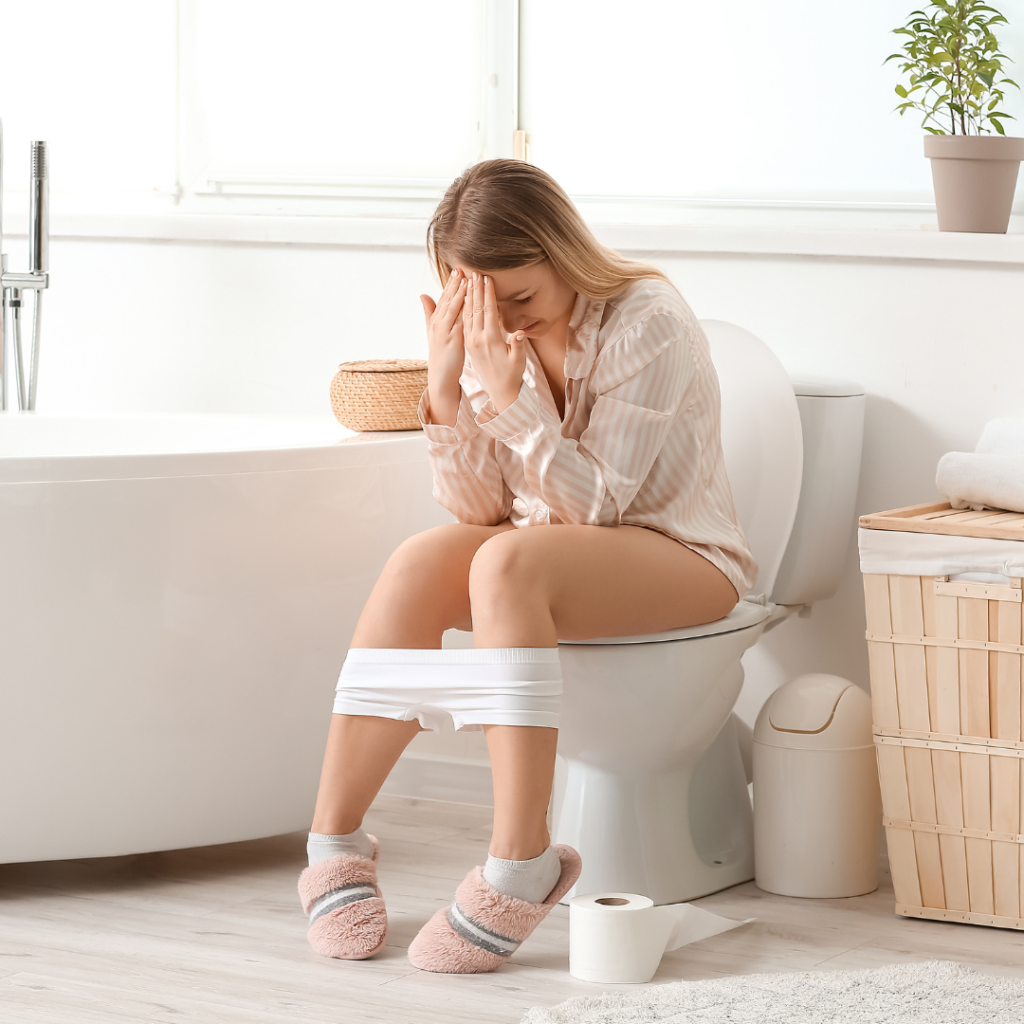
It’s natural that anyone with a bladder condition, of any sort, will drink a lot of water. Every visit to the Doctor, or Nurse will be met with the comments of “are you drinking enough?” and “make sure you up your water intake” and it is important that you are drinking ENOUGH water, but there is a balance to be had here.
The Basics of Hydration with a Bladder Condition

Hydration is crucial for overall health, and even more so when you have a bladder condition. Some may feel that their bladder hurts more if they do not drink enough water (which in turn with alkalinise the urine). The conventional wisdom suggests drinking between 1.5 to 2L of water per day. However, this amount is a rough estimate and can vary from person to person. Many individuals with bladder conditions have, in fact, taken this advice to heart, sometimes too zealously, resulting in them consuming up to or even over 3L of water daily.

Understanding the Thirst Paradox

I have found that clients will comment that they feel thirsty when they do not drink a substantial amount of water, so how can they cut down? It’s a valid concern, as staying adequately hydrated is essential for the overall well-being of your body. However, it’s crucial to remember that too much water can wash out essential electrolytes from your system. Electrolytes play a vital role in maintaining the balance of water within our cells, and an imbalance can then actually make us feel thirstier therefore creating a vicious circle of flushing out electrolytes – feeling more thirsty – putting more water in etc. leaving us overly hydrated, thirsty, and suffering from frequency.

It’s important to assess, is your frequency due to irritation/infection or is it due to drinking over 2L of water? This can also happen if you glug down large amounts of water in one go rather than sipping throughout the day.

Real-Life Success Stories

Let’s look at a real-life example. One of my clients, who was drinking over 3L of water per day, reported significant improvement after reducing her water consumption. It took a period of time to do this and for her body to acclimatise but she is less thirsty, and her bladder symptoms have decreased. This change in her water intake was just one piece of a larger puzzle, as we also addressed her electrolytes, gut health, hormonal balance, and nervous system support as part of her comprehensive plan.

On the flip side of this I have had clients who do not drink enough as they are worried about frequency. One client was restricting her fluid intake and would not urinate for up to 8 hrs in the day, in a bit to stop symptoms! All of these extremes are dangerous in their own way, and getting support by working with someone like me can help you to assess what is too much or too little, and then what to do about it.

Balancing Act: How Much is Enough?

So, what’s the right amount of water for someone with a bladder condition? The answer lies with you as the individual, finding the right balance.

  • First assess how much you’re consuming.
  • Are you drinking too much or too little?
  • Each individual’s hydration needs can be different, and it’s crucial to listen to your body’s signals.
  • Roughly between 1.5-2L of water is about right and this can come in the form of herbal teas as well as water.
  • Drinking water throughout the day, in small sips, rather than large quantities, can help maintain a balanced approach.

If you’re struggling with a bladder condition, I’m here to help you on your journey to better bladder health. Click here to arrange a free 30-minute phone call with me, during which we can discuss how we can work together to improve your condition.

  1. Mayo Clinic Health System. (2022). Water: Essential for your body.
  2. NHS. (2022). Healthy hydration.
  3. Medical News Today. (2023). What happens if you drink too much water?
  4. WebMD (2023). What is too much water intake?

How the vagina can impact the bladder microbiome

20th January 2023 By Kate Waters

Q&A Session

Read about how the vagina can impact the bladder microbiome and more in a Q&A session I did for LiveUTIFree

Read More

When should I test my vaginal microbiome?

12th April 2022 By Kate Waters

‘When is the best time to do a vaginal microbiome test to find out what is causing my vagina, vulva or bladder symptoms?’

This is a question I get asked a lot in my clinic. I frequently use functional tests with my clients because many people who come to me have already seen several other practitioners, be they doctors or other holistic practitioners and these people are at the end of the line and want answers. By using functional testing we can get those answers, or at least a direction to those answers, without wasting any more time (disclaimer I do not diagnose).

When is the best time to test?

From a test that will look at the DNA of your microbiome, to getting a swab with your gynaecologist, when is the best time to test?

  • On a day when you have symptoms 
  • Not when you are menstruating 
  • For fertility with no symptoms, around ovulation or mid cycle 

You need to have symptoms on the day of testing

  1. You need to have symptoms on the day of testing.
    This is so important, if you are not having symptoms or your symptoms have died down, then those pesky microbes (that may or may not be causing your issue) may not be at a decent enough level to show up on the results.
    So, track your symptoms, do you always get symptoms just after your bleed for a few days, or is it more in the middle of your cycle, or is it that last week before menstruation?  Work that out and then make sure that you have, preferably, the worst level of symptoms for when you test. 

You cannot test when you are menstruating

  1. You cannot test when you are menstruating, even spotting. If this is when you get your worst symptoms, we would need to discuss this (there are tests for menstrual blood). 

Testing for fertility reasons?

  1. If you are looking into your vaginal health for fertility reasons you want to think about doing the test around your ovulation or around the mid cycle point. But not everyone ovulates on day 13/14. A good and cheap way to test this is with luteinising hormone pee sticks, you don’t need a fancy device just pee on a stick every day once you have stopped menstruating and check for the double line to appear then test to show that your luteinising hormone has been released and there for you most probably are ovulating. Do your microbiome test then.

Why might you want to consider testing your vaginal microbiome?

  • Do you have any vaginal or vulva symptoms like unusual discharge, odour that you feel is not your normal; irritation, inflammation or swelling, pain or lesions? 
  • Do you have a history of or are suffering from any kind of bladder condition or UTI?
  • Are you heading into menopause and want to check that all is well and healthy down, there? Once our oestrogen drops it is harder to keep our vaginal microbiome balanced, but not impossible. 
  • Do you have any fertility and conception issues or do you want to optimise your vaginal health (preferably before conception but post conception is also fine)?
  • If you have had a diagnosis of HPV (Human papillomavirus), CIN (Cervical intra-epithelial neoplasia), or HSV (Herpes simplex virus).

What information are we hoping to gain from doing one of these tests?

Culture based testing, although still useful, is limited by what they can actually grow in a petri dish, which unfortunately is not everything that we want to see. By looking at these new DNA tests we can see a deeper picture of what is going on with your microbiome on that day of testing. This test along with a carefully taken case history can help us to uncover whether there are microbes there associated with bacterial vaginosis, candida (thrush), atrophic vaginitis, Desquamative inflammatory vaginitis (DIV), cytolytic vaginosis, mollicutes, and what your lovely lactobacilli microbes are doing.

What if you can’t afford to test? 

If you can’t afford to test there are still ways of getting some clues about what is going on from your symptoms. Start tracking your symptoms over the month and doing a simple pH check of the vagina every 3 days over the month. This will help to show patterns that may help to uncover what might be causing your symptoms. Getting swabs done by your gynaecologist or at an STD clinic can be useful, make sure to get a print out of the findings. Being told you have good or bad bacteria, as often happens, doesn’t really help us, we need to see the correct terminology of the findings.

This blog is written for information purposes only

Do you want to check your vaginal microbiome and uncover what is causing your symptoms?

To start your journey, send me a DM on Instagram or Facebook
or email me at nutrition@katewaters.co.uk

Contact Me

Kate Waters

Copyright © 2026 · Site created by Business Equip · Log in