Q&A Session
Read about how the vagina can impact the bladder microbiome and more in a Q&A session I did for LiveUTIFree

Kate Waters
Nutritionist
Read about how the vagina can impact the bladder microbiome and more in a Q&A session I did for LiveUTIFree
This is a question I get asked a lot in my clinic. I frequently use functional tests with my clients because many people who come to me have already seen several other practitioners, be they doctors or other holistic practitioners and these people are at the end of the line and want answers. By using functional testing we can get those answers, or at least a direction to those answers, without wasting any more time (disclaimer I do not diagnose).
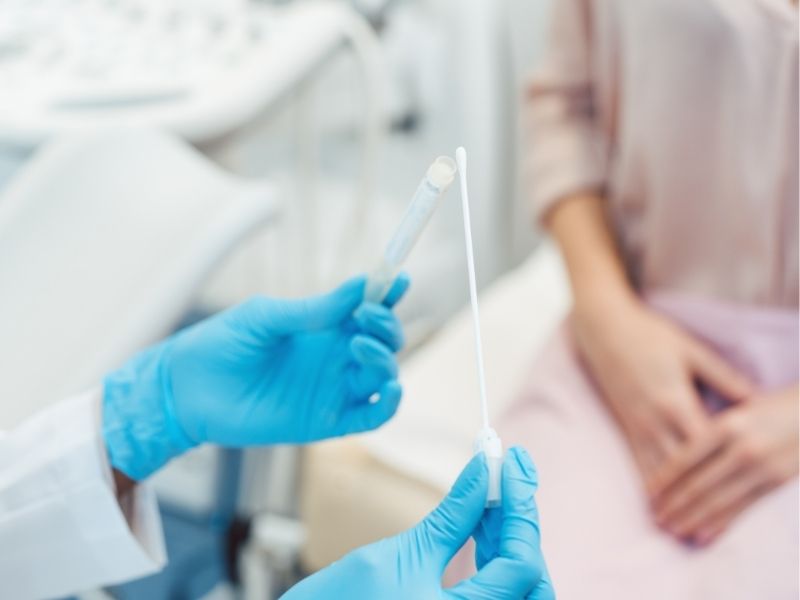
From a test that will look at the DNA of your microbiome, to getting a swab with your gynaecologist, when is the best time to test?
You need to have symptoms on the day of testing

You cannot test when you are menstruating

Testing for fertility reasons?

Culture based testing, although still useful, is limited by what they can actually grow in a petri dish, which unfortunately is not everything that we want to see. By looking at these new DNA tests we can see a deeper picture of what is going on with your microbiome on that day of testing. This test along with a carefully taken case history can help us to uncover whether there are microbes there associated with bacterial vaginosis, candida (thrush), atrophic vaginitis, Desquamative inflammatory vaginitis (DIV), cytolytic vaginosis, mollicutes, and what your lovely lactobacilli microbes are doing.

What if you can’t afford to test?
If you can’t afford to test there are still ways of getting some clues about what is going on from your symptoms. Start tracking your symptoms over the month and doing a simple pH check of the vagina every 3 days over the month. This will help to show patterns that may help to uncover what might be causing your symptoms. Getting swabs done by your gynaecologist or at an STD clinic can be useful, make sure to get a print out of the findings. Being told you have good or bad bacteria, as often happens, doesn’t really help us, we need to see the correct terminology of the findings.
This blog is written for information purposes only
To start your journey, send me a DM on Instagram or Facebook
or email me at nutrition@katewaters.co.uk