How to get better sleep and to wake up feeling refreshed!
Quality sleep is a cornerstone of our overall health and well-being. Beyond the restoration of energy, a good night’s sleep plays a crucial role in various aspects of our physical and mental health.

Boosting the Immune System: Adequate and quality sleep is fundamental to a robust immune system. During sleep, the body targets infection and inflammation. This defensive mechanism helps fend off illnesses and enhances the body’s ability to recover.
Cognitive Function and Memory Consolidation: Sleep is when our brain is working to consolidate memories and optimize cognitive functions. The brain relies on sleep to enhance memory recall, problem-solving abilities, and overall cognitive performance.
Balancing Mood and Emotional Well-being: Have you ever noticed how a good night’s sleep can turn a challenging day into a manageable one? Sleep plays a pivotal role in regulating mood and emotional well-being. Insufficient sleep can contribute to irritability, stress, and heightened emotional responses, while ample rest provides a stable emotional foundation for facing life’s challenges.
Nightly Repair and Restoration: During the night, tissues and muscles undergo repair, and the body releases growth hormones crucial for development and maintaining a healthy body composition. Additionally, sleep supports the balance of various hormones, contributing to metabolic health and overall physical well-being.

But what about if you don’t sleep well? Or you find it hard to go to bed early enough and always wake up tired. What if you wake throughout the night and find it hard to get back to sleep? Creating an evening routine and working on your cortisol awakening response (CAR) can really help to sooth the nervous system, improve melatonin production and support your sleep. Let’s look at what needs to happen for sleep to occur.
The Pineal Gland and Melatonin Production
Nestled deep within the brain, the pineal gland plays a pivotal role in regulating sleep-wake cycles. It’s often referred to as the body’s internal clock. This tiny gland secretes melatonin, a hormone crucial for signalling to your body that it’s time to wind down and prepare for sleep. Melatonin production is closely linked to darkness. When the sun sets, and the environment darkens, the pineal gland gets the signal to start producing melatonin. Cortisol is a hormone that peaks in the morning around 7/8am, helping you wake up, and gradually decreases throughout the day. It’s often dubbed the “stress hormone” as it is released in response to stress. Here’s the catch: Cortisol and melatonin operate in a delicate balance. When cortisol levels are high, melatonin production is suppressed. I like to think of them on a seesaw – for melatonin to be produced (going up) cortisol must be reduced (going down).
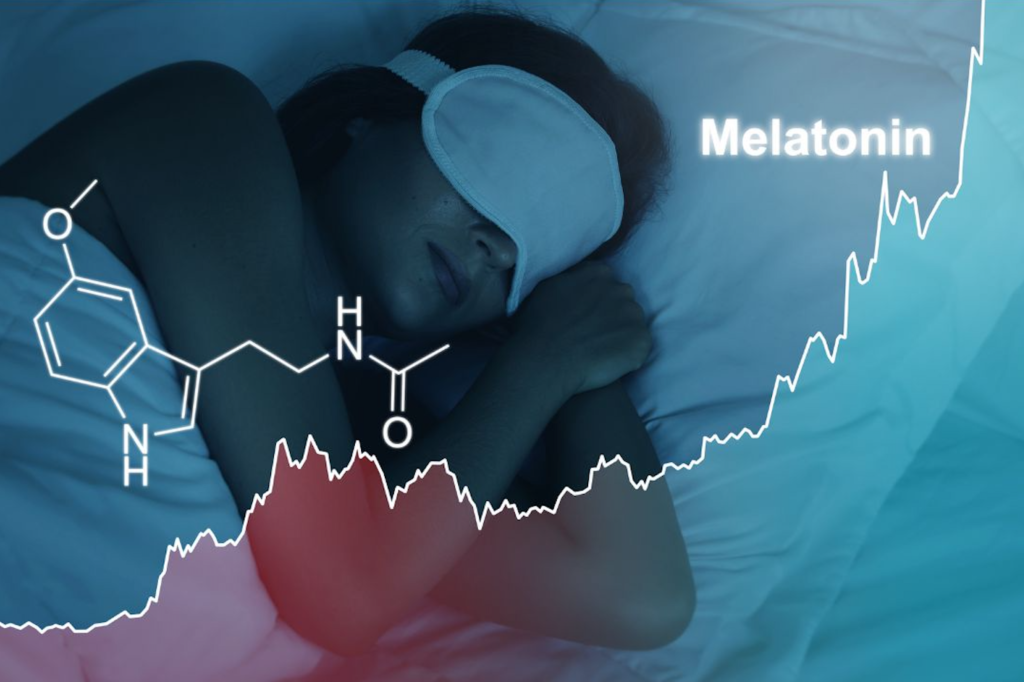
Creating an evening routine that promotes relaxation is, in essence, a cortisol-reduction strategy. When cortisol levels are kept in check, the pineal gland can efficiently produce melatonin, preparing your body for a restful night. Consistency in your evening routine is key. By signalling to your body that it’s time to wind down at the same time each night, you assist in regulating cortisol levels and, subsequently, melatonin production.
Here’s a list of things that will support this:
- Avoid stimulants from the afternoon onwards, some may need to cut them out altogether
- Coffee, black or green tea or any caffeinated drinks
- Energy drinks
- Chocolate
- Sugar, sweets, biscuits or dessert
- Don’t eat dinner to late
- Breakfast like a king, lunch like a prince, dine like a pauper! This old saying holds so much truth and although hard to do, if we eat early so we are not still digesting our food when we go to bed, we will often sleep better.
- Reduce Screen Time:
- The blue light emitted by screens, such as those on phones, tablets, and computers, can suppresses the production of melatonin. The blue light exposure, especially in the evening, confuses the body’s internal clock (circadian rhythm). The circadian rhythm helps regulate the sleep-wake cycle and disrupting it can lead to sleep difficulties.
- Engaging with screens close to bedtime can delay the onset of sleep. The brain remains stimulated, making it challenging to transition into a relaxed state conducive to sleep.
- Set a specific time each night to power down electronic devices.
- Enable night mode on devices to reduce blue light emission. You can also by special blue light blocking glasses.

- Make a cup of sleepy tea:
- Switch on the kettle and indulge in a cup of your favourite relaxing tea. Chamomile, valerian, or lavender teas can be calming and sleep inducing.

- Dim the Lights:
- Create a calming ambiance by turning down all the lights. This signals to your body that sleep is imminent.
- Red light is less stimulating for the pineal gland.
- Sleepy Yoga:
- Engage in some gentle nighttime yoga. There are numerous online resources offer yoga routines designed to relax your body and mind, specifically to support better sleep.

- Magnesium:
- Enjoy a soothing bath with magnesium salts or opt for a foot bath with magnesium salts if you prefer.
- Read a book:
- Read a relaxing book before bedtime. This quiet activity prepares your mind for rest.

- Mindful Meditation:
- Practice meditation or deep breathing exercises in bed. This can support the lowering cortisol and promoting a calm state of being.
- Consistent Bedtime:
- Stick to a consistent bedtime, but if this is tricky gradually bring it back earlier 15 min at a time. Remember “An hour before midnight is like 2 hrs after midnight” so getting to sleep earlier is better than waking up later.
When we wake up, we need a surge of cortisol, or we will find it hard to jump out of bed. Here are some things you can do to support your cortisol awakening response (CAR).
Morning Routine
- Avoid Snoozing:
- Resist the temptation to snooze. Get up as soon as you open your eyes.
- Morning Light Exposure:
- As soon as you wake up let natural daylight into your eyes. Open the blinds and if possible, step outside. This helps regulate your body’s internal clock.

- First 30 Minutes Routine:
- Within the first 30 minutes of waking:
- Stretch: Wake up your body with some gentle stretching.
- Eat Breakfast: Fuel your day with a nutritious breakfast.
- Cold Shower: Invigorate yourself with a cold shower.
- Shake Your Body: Put on some lively music and dance. Shake off the remnants of sleep.
- Within the first 30 minutes of waking:

- Rosemary
- A whiff of rosemary can increase cognitive function and mood. Drinking some rosemary tea can help you to wake up that sleepy brain.
Sleep Friendly Food for a Restful Night
Choosing the right foods can play a significant role in promoting quality sleep. Incorporate these sleep-friendly foods into your evening routine to support a restful night:

- Cherries:
- Cherries are a natural source of melatonin, a hormone that regulates sleep-wake cycles. Enjoy a handful of fresh cherries or opt for Montmorency cherry juice as a drink.
- Bananas:
- Bananas contain both tryptophan and magnesium. Tryptophan contributes to serotonin production, and magnesium acts as a muscle relaxant, aiding in a peaceful night’s sleep.
- Almonds:
- Almonds are rich in magnesium, providing muscle and nerve relaxation. Additionally, they contain protein, supporting a steady release of serotonin.
- Dark Chocolate (in Moderation):
- Dark chocolate contains serotonin precursors and a small amount of caffeine. Enjoying a small piece can satisfy sweet cravings without compromising sleep.
- Turkey:
- Turkey is rich in tryptophan, an amino acid that contributes to the synthesis of serotonin and melatonin. Include lean turkey as a protein source in your evening meal.
- Warm Milk:
- A classic remedy, dairy contains both tryptophan and calcium. The calming effect may be attributed to the combination of the warmth and these sleep-inducing components. Yogurt would also be good to add in for this.
While establishing a calming evening routine is fundamental for good sleep, some people find additional support through supplements and herbs. Before incorporating any new supplements into your routine, it’s advisable to consult with a healthcare professional.
Remember, your sleep routine is personal. Feel free to adapt and tweak these suggestions to create a ritual that resonates with you. A good night’s sleep, coupled with an energizing morning routine, can set the tone for a healthier and more productive life.
Sweet dreams!
Reference List
- Walker, M. (2017). Why We Sleep: Unlocking the Power of Sleep and Dreams. Simon & Schuster.
- Mindell, J. A., & Jacobson, B. J. (2015). Good Night, Sleep Tight Workbook: The Sleep Lady’s Gentle Step-by-Step Guide for Tired Parents. Hatchette Book Group.
- Ong, J. C., Shapiro, S. L., & Manber, R. (2009). Mindfulness Meditation and Cognitive Behavioural Therapy for Insomnia: A Naturalistic 12-Month Follow-up. Explore, 5(1), 30-36.
- Reiter, R. J., Tan, D. X., Manchester, L. C., & Qi, W. (1995). Biochemical Reactivity of Melatonin with Reactive Oxygen and Nitrogen Species: A Review of the Evidence. Cell Biochemistry and Biophysics, 25(1-3), 1-22.
- Cajochen, C., Kräuchi, K., & Wirz-Justice, A. (2003). Role of Melatonin in the Regulation of Human Circadian Rhythms and Sleep. Journal of neuroendocrinology, 15(4), 432-437.
- Sapolsky, R. M., Romero, L. M., & Munck, A. U. (2000). How do Glucocorticoids Influence Stress Responses? Integrating Permissive, Suppressive, Stimulatory, and Preparative Actions. Endocrine reviews, 21(1), 55-89.
- Irwin, M. R., & Opp, M. R. (2017). Sleep Health: Reciprocal Regulation of Sleep and Innate Immunity. Neuropsychopharmacology, 42(1), 129-155.
- Walker, M. P., & Stickgold, R. (2010). Sleep, Memory, and Plasticity. Annual Review of Psychology, 57, 139-166.
- Walker, M. P., & van Der Helm, E. (2009). Overnight Therapy? The Role of Sleep in Emotional Brain Processing. Psychological Bulletin, 135(5), 731.
- UF Health. (2016). Rosemary Boosts Brain Power. https://ufhealth.org/stories/2016/rosemary-boosts-brain-power#:~:text=According%20to%20a%20new%20study,person%20breathes%20in%20rosemary%27s%20aroma.